Games with Purpose

51 Card and Board Games for Security, Privacy and Better Teams
Back in November 2022 I put together a short list of games I’d found useful, or wanted to try, for getting teams thinking about security, creativity and how they work together. It had eight security games in it. Since then I’ve written a book about one of them, designed a couple of my own, and watched the number of serious security games explode. That list was well overdue for a rewrite.
So here it is: the 2026 edition. Every game has a picture (where one exists), who made it, what it actually teaches and how it plays, so you can decide in thirty seconds whether it belongs in your next workshop.
TL;DR
- Games work because they lower the stakes. Nobody is “bad at threat modeling” when they’re just playing a card; that’s what gets quieter team members to contribute.
- Elevation of Privilege is still the best entry point for threat modeling, and there is now a variant for almost every domain: privacy, machine learning, AI agents, cloud, mobile and web.
- Privacy has its own games now. LINDDUN GO, Context & Cringe and PLOT4ai cover privacy and responsible AI without needing a lawyer in the room.
- Many of the security games are free to download and print under Creative Commons licences, so cost is rarely the blocker.
- Not every game is about security. The creativity, retrospective and personal development decks at the end are just as useful for building the kind of team that cares about security in the first place.
Why Games?
At first glance, a card game looks like a frivolous way to spend an hour of engineering time. But here’s the thing: most of the activities we want teams to do (threat modeling, incident response rehearsals, honest retrospectives) fail for the same reason. People don’t know where to start, they’re worried about looking foolish, and the loudest voice in the room sets the agenda.
A good game fixes all three. The cards give you the prompts, the rules give everyone a turn, and the scoring makes it acceptable to suggest something that turns out to be wrong. You don’t have to be a locksmith to look at a lock and ask “what if I pick it?”, and you don’t need to be a security expert to look at a card that says an attacker can replay your session token and ask whether that applies to your system.
There’s a quieter benefit too, and it’s the one I value most. Put a developer, a tester, a product owner, an ops engineer and someone from security around the same table and something happens that no training course manages. They break down silos, because for an hour they’re all playing by the same rules, and the hierarchy and the “that’s not my area” mindset get left at the door. That’s also when the assumptions surface and get corrected: the developer who assumed the gateway validates every request, or the product owner who assumed the data never leaves the EU, finds out in the middle of a round that the person across the table knows otherwise. They build awareness, because every card played is a small, concrete example of how things go wrong, explained by a colleague in the context of a system they all know, not by a slide deck about someone else’s breach. And knowledge spreads by osmosis. The tester hears the architect explain why a trust boundary matters, the developer hears the ops engineer describe how a deployment actually fails at 3am, and the security person learns where the real pressure points in the product are. Nobody set out to teach anyone anything, yet everyone leaves knowing a little more than when they sat down, and that shared understanding sticks long after the game is packed away.
I’ve grouped the games by what you’d use them for: threat modeling (split by the kind of system you’re building), privacy, incident response, awareness, software delivery, agile rituals, creativity and personal development. Where I’ve played a game I’ll say what I think of it; where I haven’t, I’ll stick to what it is and who it’s for.
Threat Modeling Games
The biggest group, and the one that has grown the most since 2022. Most of these descend from Elevation of Privilege, so if your team learns one, the rest are easy to pick up.
Start Here
Elevation of Privilege

By Adam Shostack (originally published by Microsoft, 2010) · shostack.org · Free to print (CC BY 3.0 US) · Printed deck from CyberSec Games
The game that started it all, and still the one I reach for first. Each suit is one STRIDE category (Spoofing, Tampering, Repudiation, Information Disclosure, Denial of Service, Elevation of Privilege), and players take turns playing cards against a diagram of the system. If the threat on your card plausibly applies, you explain how, it gets recorded and you score. It’s a great way to introduce teams to threat modeling because the cards tell players what to look for; nobody needs to know the threats in advance. Full disclosure: I liked it enough to write a book about it, Threat Modeling Gameplay with EoP.
Security Architects

By Adrian Sroka and Monika Skoczylas-Sroka · CyberSec Games
A fast cooperative threat modeling game for one to four players. The team builds a system from component cards, adds protection cards to cover its weak points, then has to survive random attacks, events and new components while keeping its reputation above zero for six turns. Rounds take about twenty minutes, it’s grounded in STRIDE, and there are Regular, Shift Left and Workshop modes. The cooperative structure makes it a nice contrast to the competitive EoP family.
Four Questions for Threat Modeling Cards

By Adam Shostack · CyberSec Games
Not a game, but a perfect companion to all of the above. These are durable plastic wallet cards, the size of a business card and sold in packs of ten, carrying Shostack’s Four Question Frame: What are we working on? What can go wrong? What are we going to do about it? Did we do a good job? Hand them out at the end of a training session and they’ll still be in people’s wallets a year later.
Web and Mobile Applications
OWASP Cornucopia Website App Edition 3.0

OWASP Cornucopia project (created by Colin Watson) · cornucopia.owasp.org · Free to print or play online (CC BY-SA 4.0) · Printed deck from CyberSec Games
Similar in style to EoP, but organised around web application concerns rather than STRIDE. The 80 cards are split into six suits (Data Validation & Encoding, Authentication, Session Management, Authorization, Cryptography and Cornucopia), and play is trick-taking: you score by explaining how the attack on your card could hit your application. Version 3.0 maps every card to OWASP ASVS 5.0 and to more than 210 CAPEC attack patterns, which means the threats you find translate straight into security requirements. This edition was previously known as the Ecommerce Edition.
OWASP Cornucopia Mobile App Edition

OWASP Cornucopia project (Johan Sydseter and Xavier Godard) · cornucopia.owasp.org · Free (CC BY-SA 4.0) · Printed deck from CyberSec Games
The mobile counterpart, built on the OWASP Mobile Application Security project (MASVS and MASTG). The suits are Platform & Code, Authentication & Authorization, Network & Storage, Resilience, Cryptography and Cornucopia (which covers privacy and mobile malware), for 80 cards including two jokers. It plays the same way as the website edition. The current release is version 2.0, aligned with MASVS 2.1, MASTG 2.0 and MASWE 1.0.
OWASP Cornucopia Companion Edition 1.0

OWASP Cornucopia project · cornucopia.owasp.org · Free (CC BY-SA 4.0) · Printed as part of the Web App Companion Set
Six optional suits for the areas the core decks don’t reach: Large Language Models, Agentic AI, Cloud, Frontend, DevOps and Automated Threats, 13 cards each. You can play a companion suit on its own or swap it in for one of the Website App suits to focus a session, so a team building an LLM feature can spend the hour on exactly that. In print it’s sold bundled with the Website App 3.0 deck.
AI and Machine Learning
If you’re building with models, agents or RAG, these are the decks to reach for.
Elevation of Autonomy
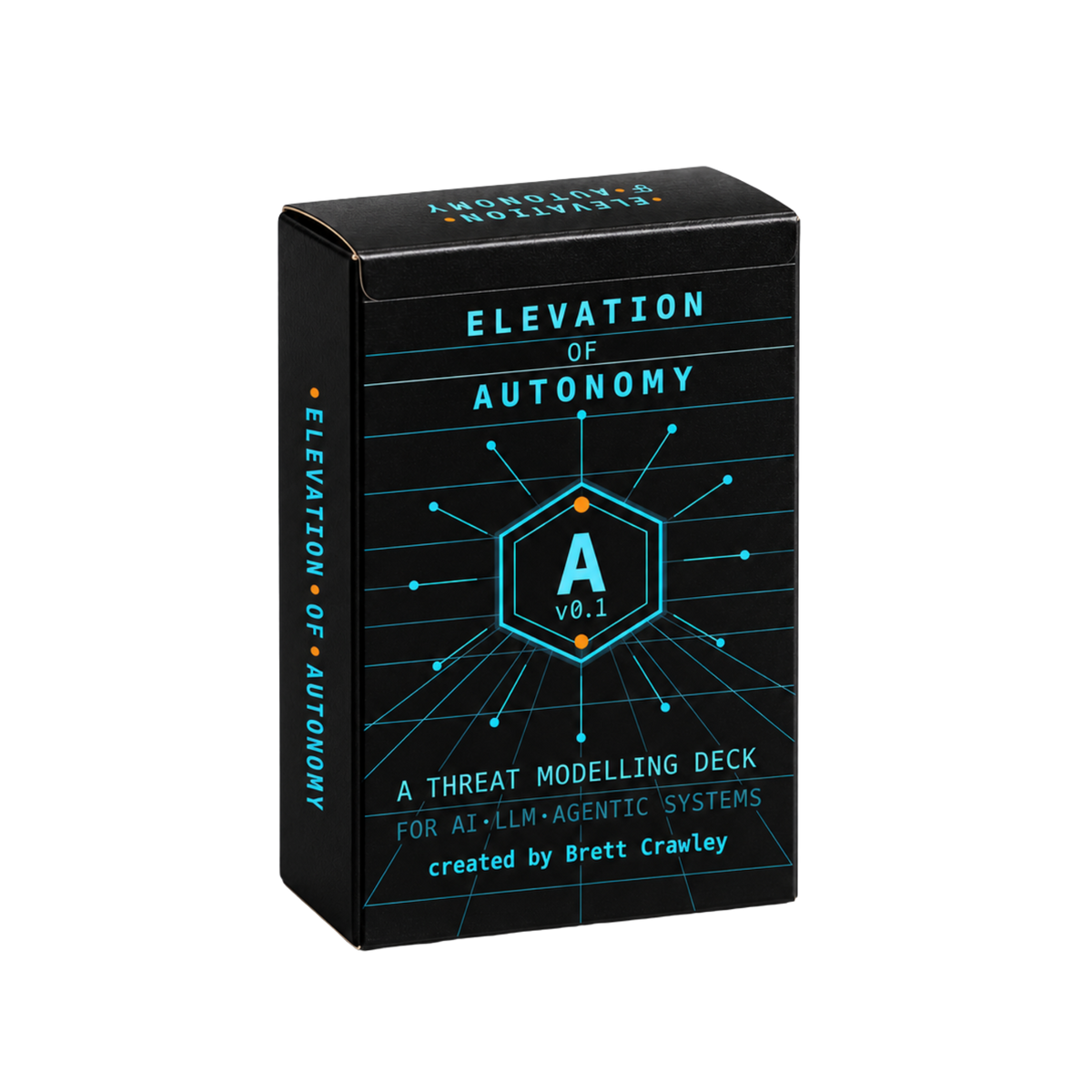
By Brett Crawley (yes, me) · GitHub · Free to print (CC BY-SA 4.0) · Printed deck from CyberSec Games
My own deck for threat modeling AI, LLM and agentic systems. It takes the EoP trick-taking method and applies it to threats like prompt injection, excessive agent autonomy and MCP abuse. There are 30 cards across five suits: Adversarial Threats, Autonomy Threats, Data Threats, Privacy Threats and a Trumps suit of Structural Hazards. Three to six players work from a data flow diagram, and every card you play has to be tied to a specific component, flow or trust boundary before it’s accepted into the threat register with a mitigation. I wrote up the thinking behind it in Threat Modeling AI Systems: A Complete Playbook for Practitioners.
Elevation of MLsec

By Elias Brattli Sørensen and Jorun Kristin Bremseth, Kantega, 2024 · GitHub · Free (CC BY-SA 4.0) · Printed deck from CyberSec Games
EoP-style threat modeling for machine learning systems, based on the Berryville Institute of Machine Learning (BIML) risk framework and OWASP research. The 68 cards are split across dataset suits (Raw, Training, Assembly), model suits (Algorithm, Evaluation, Model) and Input and Output. It’s designed for mixed teams of developers, ML engineers, architects and security people, and nobody needs a background in AI security to play.
PLOT4ai
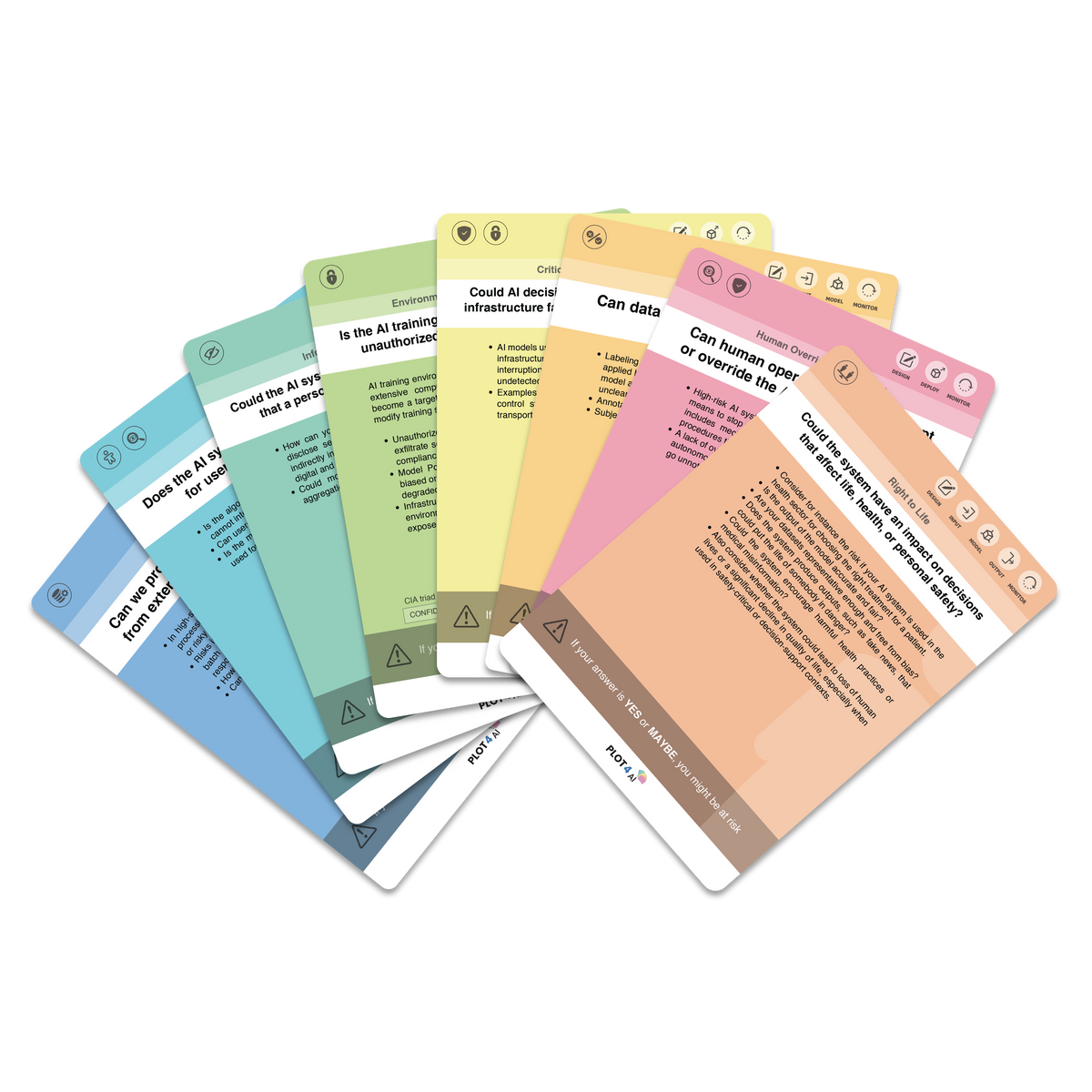
By Isabel Barberá · plot4.ai · Free online and PDF (CC BY-SA 4.0) · Printed deck from CyberSec Games
The Practical Library Of Threats 4 Artificial Intelligence: a threat modeling library and card deck for teams building or deploying AI systems, generative AI included. Its 138 threats span eight areas: data governance, privacy, bias and fairness, safety, cybersecurity, ethics and fundamental rights, transparency, and accountability. It was adapted from LINDDUN and is aligned with GDPR and the EU AI Act, which makes it the deck I’d hand to a mixed technical, legal and ethics team.
PHANTOM-B Wallet Cards
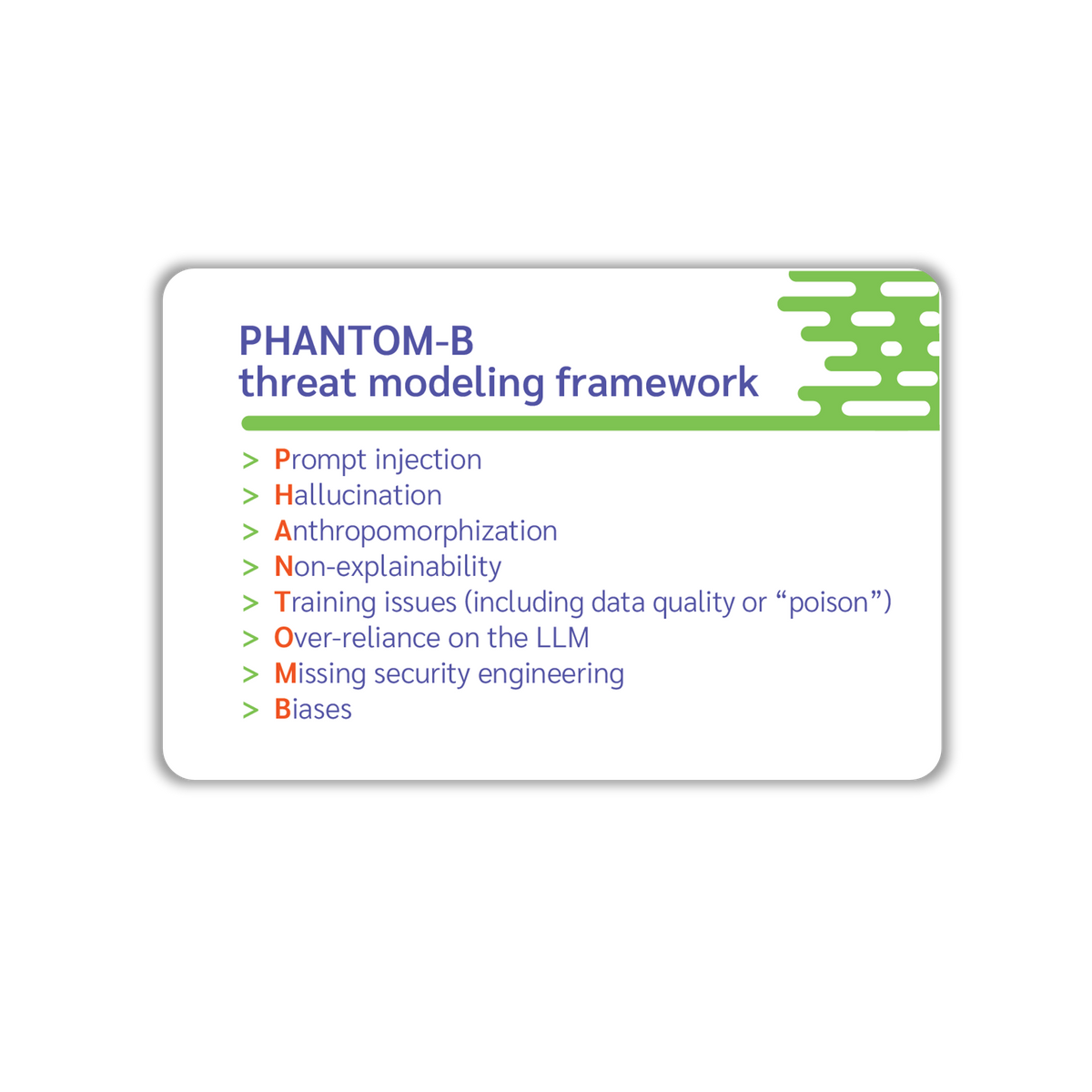
By Adam Shostack · CyberSec Games · Whitepaper
The same wallet card format, this time for systems that use LLMs: copilots, agents and RAG. PHANTOM-B works like STRIDE, with eight prompts: Prompt injection, Hallucination, Anthropomorphization, Non-explainability, Training issues, Over-reliance, Missing security engineering and Biases. Shostack explains the reasoning in Why PHANTOM-B?. Ideal to keep on the desk during design reviews of anything with a model in it.
Cloud, Infrastructure and Supply Chain
Cumulus

By TNG Technology Consulting, now an OWASP project · OWASP · GitHub · Free (CC BY 4.0) · Printed deck from CyberSec Games
An EoP variant for DevOps and cloud teams. It plays like spades, with five suits: Access & Secrets (trumps), Delivery, Recovery, Monitoring and Resources. You score by winning tricks and by naming threats on your card that genuinely apply to your own setup. If your architecture diagram is mostly cloud services and pipelines, this will land better than the original EoP.
Elevation of Email Flow
By Brett Crawley · Coming soon
A threat modeling deck for email infrastructure, aimed at the people who build and run email platforms rather than the people who receive phishing emails. The suits cover the delivery pipeline, authentication protocols (SPF, DKIM and DMARC as trust signals that can be weaponised), client protocols, SMTP, MIME and S/MIME, and the DNS layer. More on this one when it’s ready.
Dependency Hell
By Brett Crawley · Coming soon
Privacy Games
Privacy needs a different conversation to security, and these games are built for it. You don’t need a lawyer in the room to play any of them.
LINDDUN GO
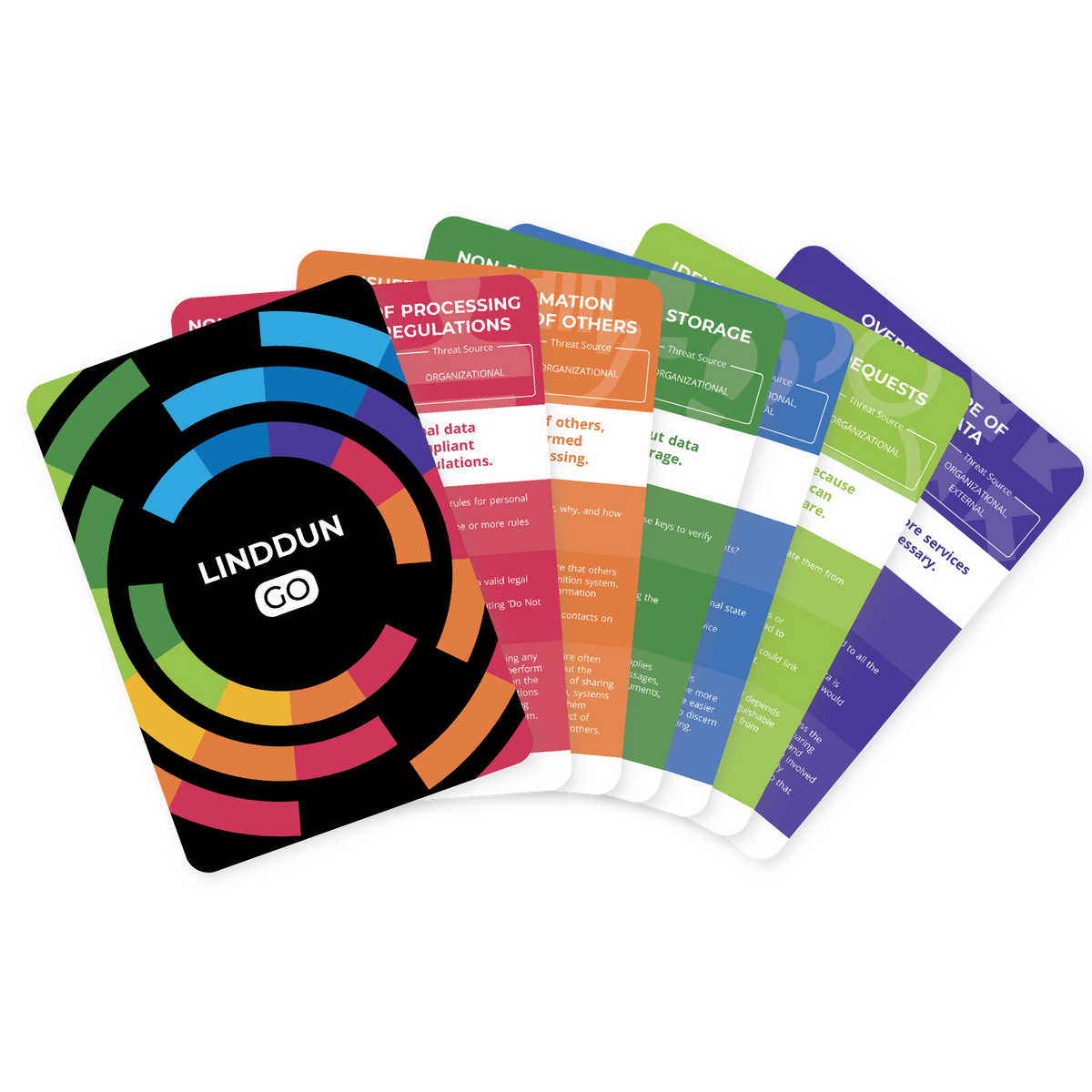
By the LINDDUN team at imec-DistriNet, KU Leuven · linddun.org/go · Free PDF deck · Printed deck from CyberSec Games
The lightweight, card-based version of the LINDDUN privacy threat modeling method. A cross-functional team (architects, developers, DPOs, legal) needs only a sketch of the system and the deck of 33 threat cards, which cover the seven LINDDUN categories: Linking, Identifying, Non-repudiation, Detecting, Data Disclosure, Unawareness and Non-compliance. Each card is self-contained, so you don’t need the threat trees or mapping tables of full LINDDUN. Play is quite different to EoP and Cornucopia, and that’s a good thing: privacy needs a different conversation.
Context & Cringe

By Kim Wuyts and Avi Douglen · contextandcringe.com · CyberSec Games
Players combine App, Feature and Data cards into a made-up app, pitch it in about thirty seconds, and the group votes “comfy” or “cringe”; the lowest cringe score wins. It’s quick, funny and discussion-driven, and the point isn’t compliance at all. It’s about building an intuition for how design choices actually land with real users. It won the 2025 CyberSec Game Challenge.
Elevation of Privacy
By F-Secure (now WithSecure), 2018 · GitHub · Free (CC BY 4.0)
An unofficial add-on to EoP that extends STRIDE with TRIM: Transport of personal data across borders, Retention and removal, Inference from other data, and Minimisation. You play it against a data flow diagram or sequence chart, either on its own or shuffled into the original deck. If your team already knows EoP, this is the cheapest way to get privacy and data protection compliance onto the table.
Elevation of Privilege with Privacy

Privacy suit by Mark Vinkovits, built on Adam Shostack’s EoP · CyberSec Games
A printed EoP deck with a seventh suit, Privacy, which turns STRIDE into STRIPED. The 102-card deck plays exactly like standard EoP, but the privacy cards prompt the team to look for common data handling anti-patterns while the design is still cheap to change. A good choice if you want one deck that covers both security and privacy rather than two separate sessions.
Incident Response and Security Leadership
Games about what happens when things go wrong, and about running a security function under pressure.
Backdoors & Breaches

By Black Hills Information Security · blackhillsinfosec.com · Online version · Printed deck from CyberSec Games
An incident response tabletop exercise in a box. In the cooperative mode an Incident Captain secretly builds a four-card attack chain, and the defenders roll dice and play detection and procedure cards to uncover it before time runs out. There’s also a competitive mode. I’ve watched it played and it’s a great way to role-play an incident, so that when (not if) you’re caught up in a real one, you’ve at least had a little preparation.
CyberRoll: Cooperative Cybersecurity Strategy Board Game
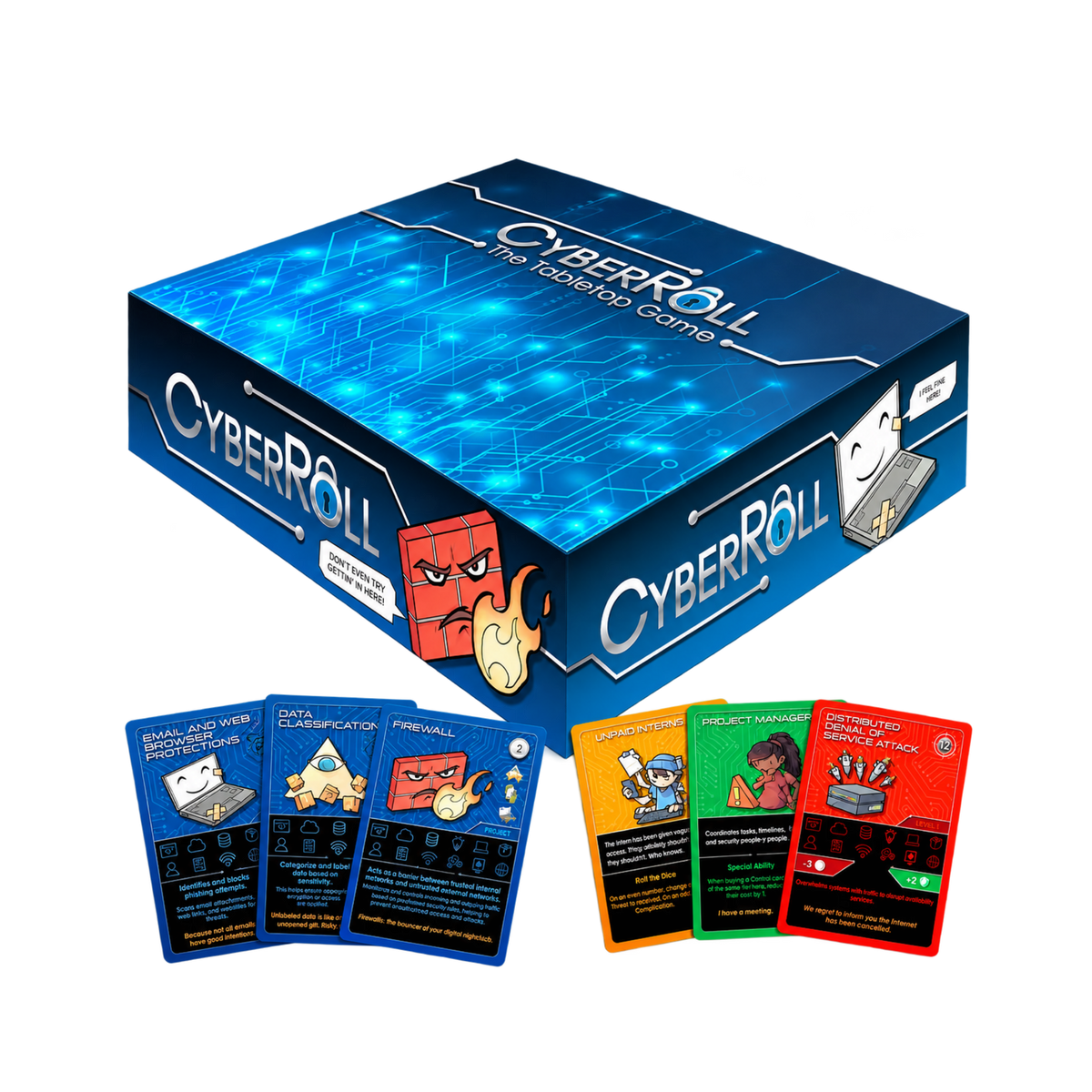
By Dr Molly Cooper and Peter Dillman · cyberroll.com · CyberSec Games
A cooperative board game for one to ten players who run an organisation’s security department through three years of escalating threats. Each quarter runs through Plan, Threat, Defend and Resolve phases: you hire and train staff, assign them to controls, and roll attack and defence dice against threats while juggling budget, morale and brand damage, with an internal audit at the end of each year. It’s the closest thing on this list to a security leadership simulator, and the control cards double as reference material on real controls. It was Kickstarted in early 2026, so expect a full game to take around ninety minutes.
CyberRoll: Red (Threat) Expansion

By Dr Molly Cooper and Peter Dillman · CyberSec Games
Turns cooperative CyberRoll into a competitive red team versus blue team game: one side probes for weaknesses and applies pressure, the other defends. It uses the base game’s board, dice and controls (so you’ll need the base game), and gets players thinking about security from the attacker’s side as well as the defender’s.
Insider Threat Kill Chain

By Seth Holcomb · CyberSec Games
A 94-card game about how insider threats unfold, across six phases: Exploration, Experimentation, Exploitation, Acquisition, Execution and Evasion. Players pick one of 14 case-study scenarios, place a phase card at each step of the insider’s path and justify each placement, then review the whole chain. It’s aimed at awareness, insider risk and investigation teams learning to spot the warning signs before the data walks out of the door.
Security Awareness and Learning
Lighter games for teaching security concepts to people who don’t do security for a living.
For Teams
Byte Club

By Mike Novack, Tech CoLab · CyberSec Games
A competitive capture-the-flag card game for two to four players, where everyone is a hacker trying to grab and hold the Data Flag with attack and defence cards. The cards follow the stages of the Cyber Kill Chain and the functions of the NIST Cybersecurity Framework, so players pick up both frameworks along the way. It takes about twenty minutes and works for technical and non-technical players alike.
Clashing
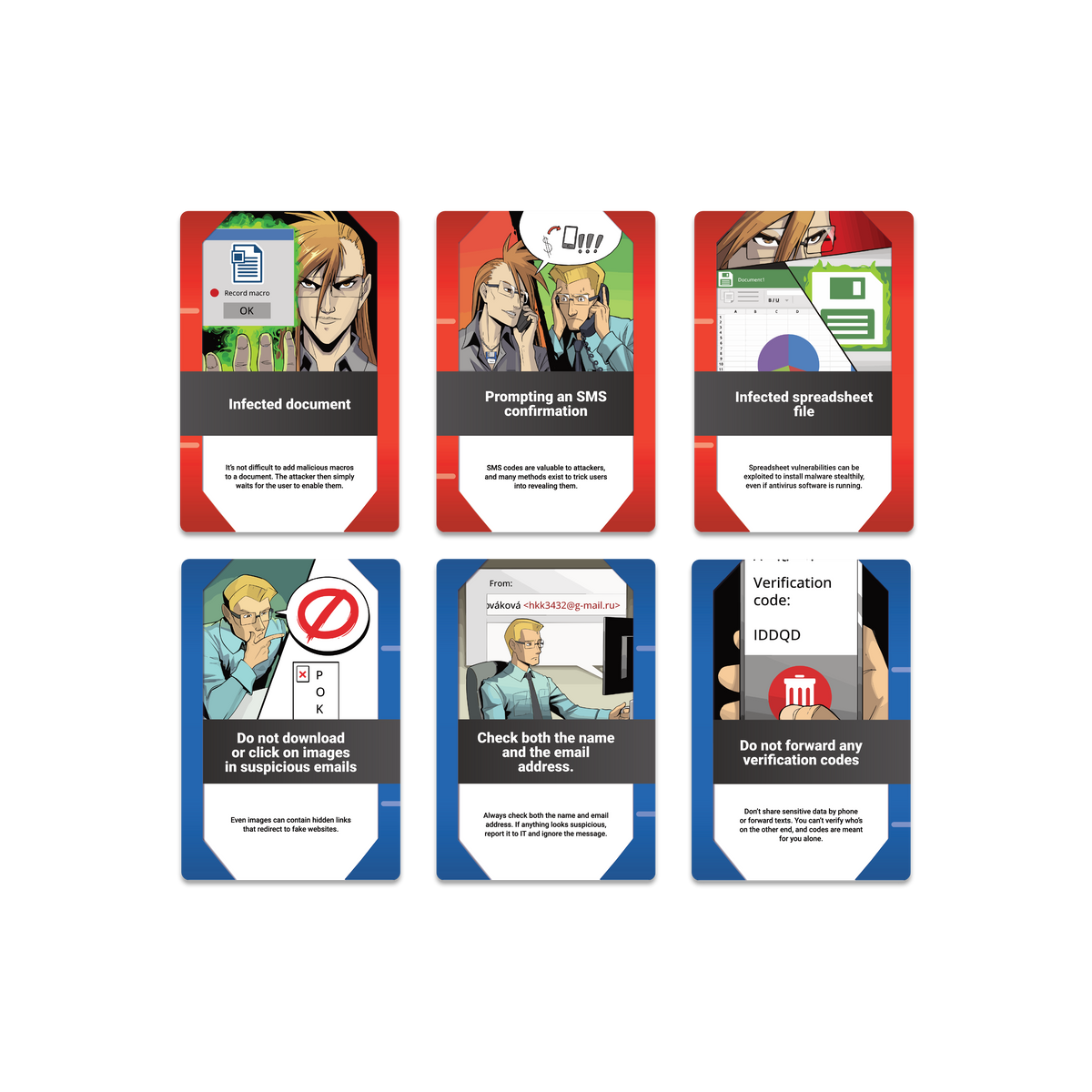
By ANECT · clashing.com · Phishing Edition from CyberSec Games
Clashing started as a browser-based security awareness game and now has a physical Phishing Edition. Red attack cards and blue defence cards are paired up, either as a memory-match game (ten to twenty minutes) or a fast snap-style game (five to ten minutes), so players learn which control defeats which phishing technique. It’s designed to reinforce awareness training people have already done, which makes it a good lunch-and-learn or awareness month activity.
d0x3d!
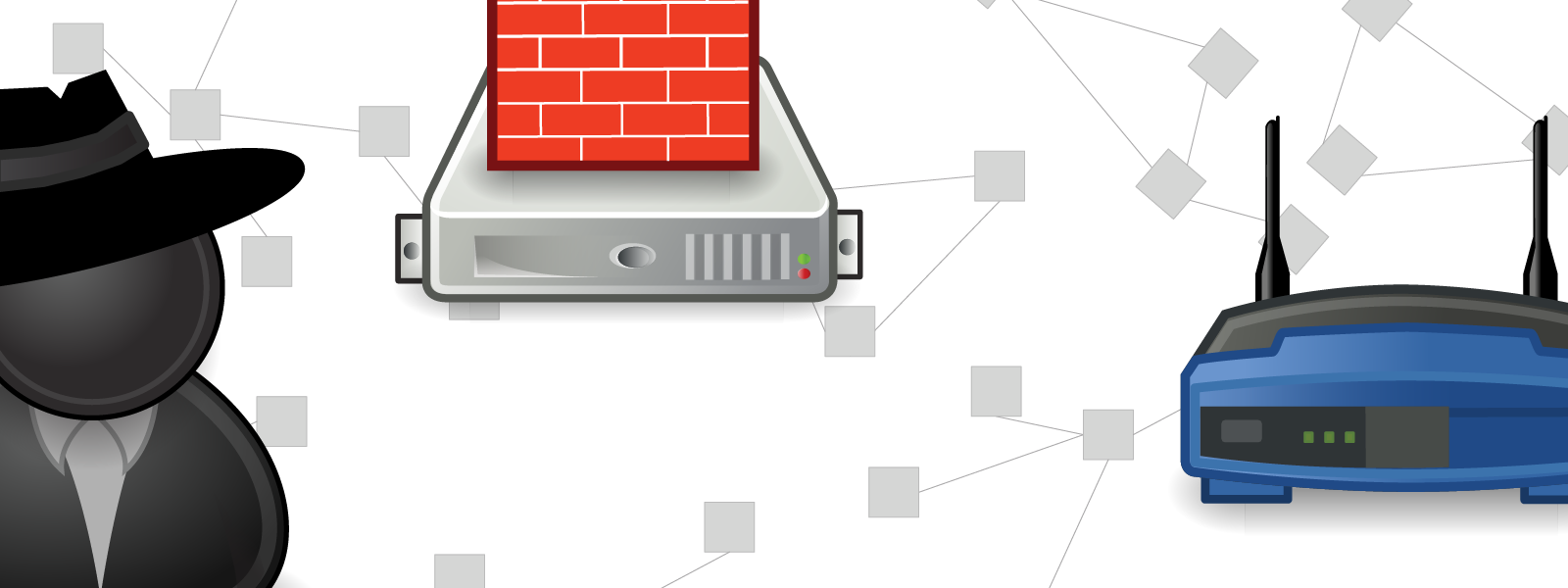
By Mark Gondree and Zachary N.J. Peterson (TableTop Security) · GitHub · Free print-and-play
A cooperative board game, inspired by Matt Leacock’s Forbidden Island, where one to four players are a hacker group breaking into a network to recover stolen digital assets: financial data, personal data, credentials and intellectual property. The network administrators fight back by patching machines, raising alarms and reshaping the network, and if you trip too many alarms your data gets leaked (doxed). It was built to teach network security vocabulary and attack and defence concepts to students, and the design is written up in a USENIX CSET 2013 paper.
Data Breach
By Martin Kyle · The Game Crafter
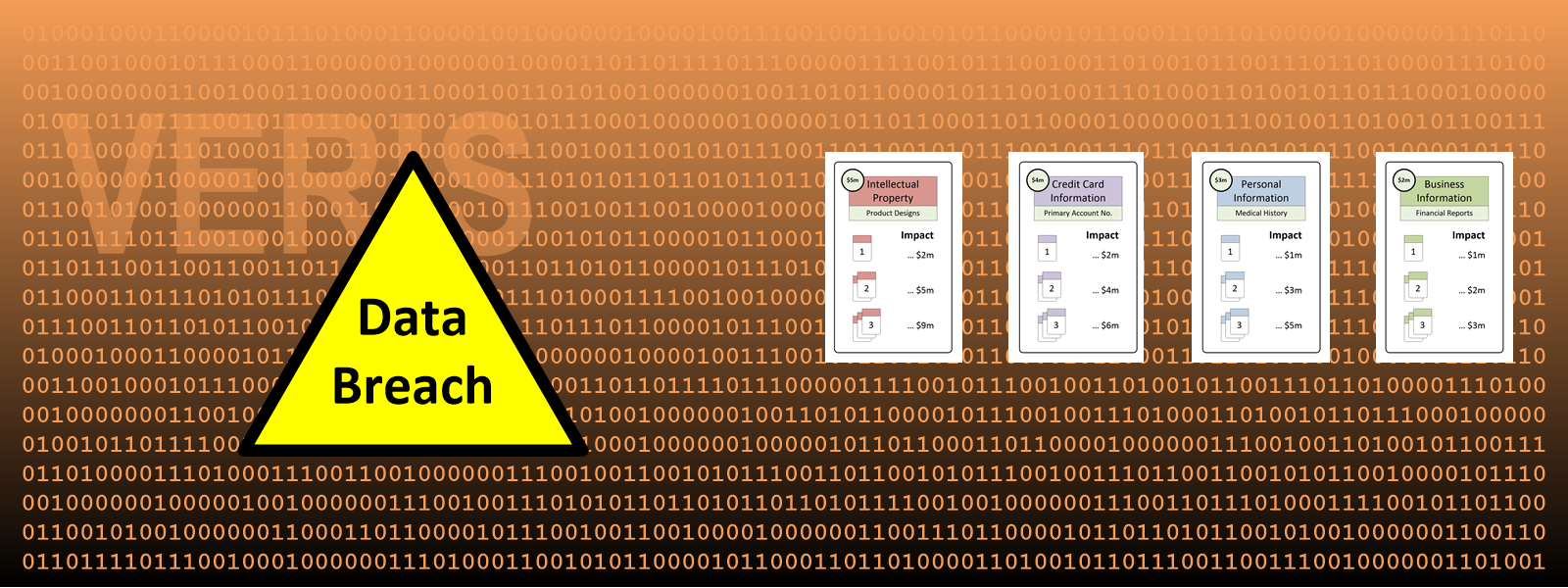
A quick rummy-style card game for two or three players about the risk of losing sensitive data. You collect three-of-a-kind sets of impact, threat and vulnerability cards, with the content mapped to the VERIS incident classification vocabulary. A game takes ten to twenty minutes, which makes it an easy warm-up before a longer session.
For the Whole Family
Data Heist

By Mark Barnabas Lee · dataheist.org
A card game for two to six players about personal cyber hygiene. Players are amateur hackers stealing data from victims in a shared marketplace using three common attack types, and the advanced rules let you upgrade attacks and block other players. The publisher pitches it at ages 8 to 80, so it’s one of the few games here you could take home and play with the family.
Hacker Cybersecurity Logic Game

By ThinkFun · thinkfun.com
A single-player logic puzzle where you program agents to collect data chips while avoiding viruses and alarms. There are 40 challenges, each in three phases, for 120 puzzles that get progressively harder. It’s aimed at ages ten and up and builds sequencing and concurrency thinking without a screen in sight. Another one for the kids, or for the engineer who likes a puzzle on the train.
Just for Fun
Cards Against AppSec
By Tanya Janca, for Semgrep
A Cards Against Humanity-style party game that pokes fun at application security culture and all its frustrations. It isn’t trying to teach a method; it’s for unwinding and bonding at conferences, and Semgrep ran it as a round-table at OWASP Developer Day 2024. The original GitHub repository is no longer available, so you may have to catch it at an event.
Software Delivery Games
Games about building and running software well, where security is one concern among many.
Building the Hydrone

By Siemens · The Game Crafter
Unlike most of the games on this list, this is a proper board game, and it covers the whole software development lifecycle rather than just security. Two to four teams develop and sell a drone, constantly choosing between shipping new features and investing in quality work like architecture documentation and system testing. That quality work is what saves you when setbacks hit, such as your key architect leaving for a competitor. It’s really well made, although a little expensive, and it’s a brilliant way to show product owners why the “invisible” work matters.
The Build Brief
By Brett Crawley · Coming soon
AWS BuilderCards

By Amazon Web Services · aws.amazon.com
A deck-building game about putting AWS services together into well-architected workloads. Everyone starts with cards representing a traditional on-premises data centre, then adds AWS service cards each turn and combines them into architectures that earn Well-Architected points, all in thirty minutes or less. The second edition launched at re:Invent 2024, and there are Generative AI and Resilience expansions.
FuzzNet Labs

Published by CyberSec Games · CyberSec Games
A board game in which players are data scientists competing to build the best neural network for recognising animals in photos. Each turn you Design (extend paths with node tokens), Train (add data tokens that boost your dice rolls) or Test (roll along a path), and piling too much data on one node causes overfitting and blocks the path. It’s a surprisingly effective, hands-on way to explain how model design, data quality and training trade off against each other. Adam Shostack has used it to open his course on threat modeling AI systems.
Multi-team Software Delivery Assessment
By Matthew Skelton, Conflux · GitHub · Free method (CC BY-SA 4.0) · Card deck from Agile Stationery
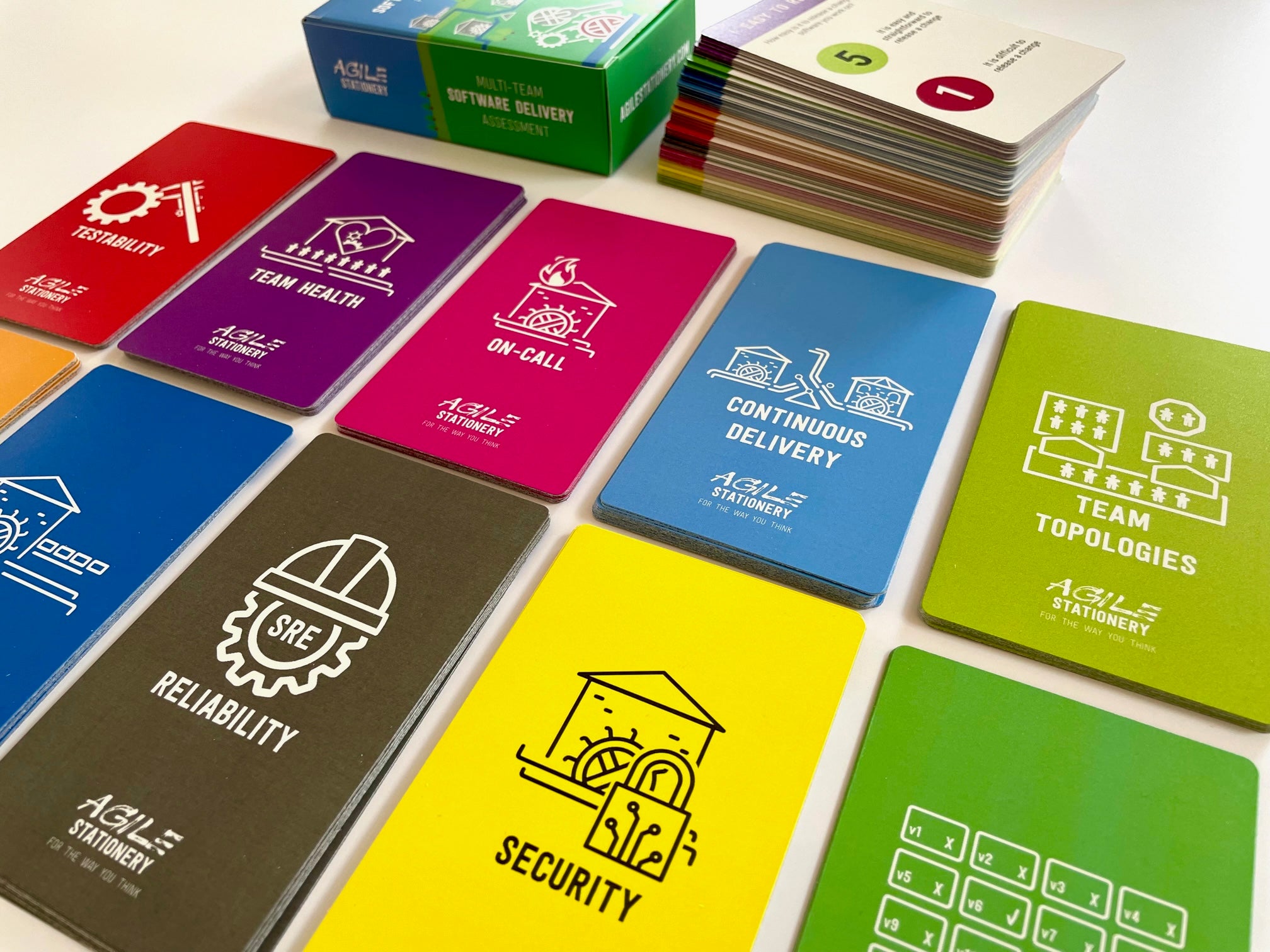
A facilitated self-assessment, run like a retrospective, across ten themes including team health, deployment, flow, continuous delivery, operability, testing, reliability, on-call, security and Team Topologies interactions. The team scores each criterion from one to five and agrees actions, and a coordinating group then looks across all teams for organisation-wide improvements without ranking them. It can be astounding how differently people in the same team rate how well they’re doing something, and it’s very good at exposing the holes in your process.
Agile Team Rituals
Decks for keeping stand-ups and retrospectives from going stale.
Stand-ups
The Daily Stand-Up Challenge

By Paul Goddard · Agile Stationery
Fifty-two challenge cards to put the energy back into a stale stand-up. Each morning someone draws a card and reads it out, and that challenge sets the focus for the meeting: better listening, observation or staying present. Some cards give one person a secret challenge the rest of the team has to spot.
Standup Game
Retrospectives
The Agile Box Retrospective Cards

By The Agile Box · theagilebox.com
Thirty-four technique cards (Speed Boat, 5 Whys, Appreciations and many more), each showing which stage of the retrospective it fits, how long it takes and tips for running it. Pick one card per stage and you’ve got a fresh agenda in minutes, a good way to shake things up and get to the bottom of different kinds of problems.
Richer Retrospectives

By Laurence Wood · Agile Stationery
A 50-card framework that steers retrospectives towards the core processes a team should be reviewing. The prompts zoom in on specific behaviours, patterns and root causes rather than letting the session drift into a general chat, which is exactly where most retros lose their value.
The Retrospective Lexicon

By Paul Goddard · Agile Stationery
A deck of word cards (adjectives, emotions and actions) that gives a team new vocabulary for describing how the iteration went and what they want to change. It’s a simple idea that broadens the discussion and often takes it somewhere unexpected.
Team Retrospective

By Allan Kelly and Nicolas Umiastowski · Agile Stationery
A compact 24-card deck that gives any team, not just software teams, ready-made prompts and formats for retrospectives. Small enough to keep in a laptop bag.
Retrospective Coaching Cards

By Geoff Watts · Agile Stationery
Over fifty coaching questions for whoever facilitates the retrospective. Rather than a game for the whole team, it’s a prompt deck for the Scrum Master or coach: reflective questions, ideas for shaking up a stale retro and reminders of what a good one looks like.
Creativity and Innovation
Different techniques you can use in workshops to get a group thinking differently and draw out new ideas.
Thinkpak

By Michael Michalko · Ten Speed Press
A boxed deck of illustrated idea-prompt cards that turns the methods from Michalko’s book Thinkertoys into something you can hold. You shuffle, mix and match the cards to generate new products, markets or solutions, then use the deck’s evaluation techniques to test and refine what you come up with. Unlike the other creativity decks here, the whole deck is built around a single method rather than a menu of techniques.
75 Tools for Creative Thinking

By Booreiland · BIS Publishers
Seventy-five cards, one technique each, split into five decks that follow the stages of ideation: Get Started, Check Around, Break It Down, Break Free, and Evaluate & Select. Every card gives you step-by-step instructions, the group size and how long it takes. Use a single card or chain several together depending on the challenge.
IDEO Method Cards

By IDEO · ideo.com · Sold by William Stout Architectural Books
A classic: 51 human-centred design research methods, each with a short story about how and when IDEO used it, grouped into Learn, Look, Ask and Try. They’re meant as inspiration rather than a step-by-step recipe, for when a team is stuck or needs a different way of seeing a problem.
Kickstart Creativity

By Bonnie Smith Whitehouse · Clarkson Potter
Fifty cards, each with an exercise designed to shake up habitual thinking. At the start of a challenge you draw three: an action card (try something new), a perspective card (look at it differently) and an intention card (make a more mindful choice). It works alone or with a group.
PlayCards: Build Skills to Innovate
By Matt Ballantine, illustrated by Ellie Dallison · Agile Stationery
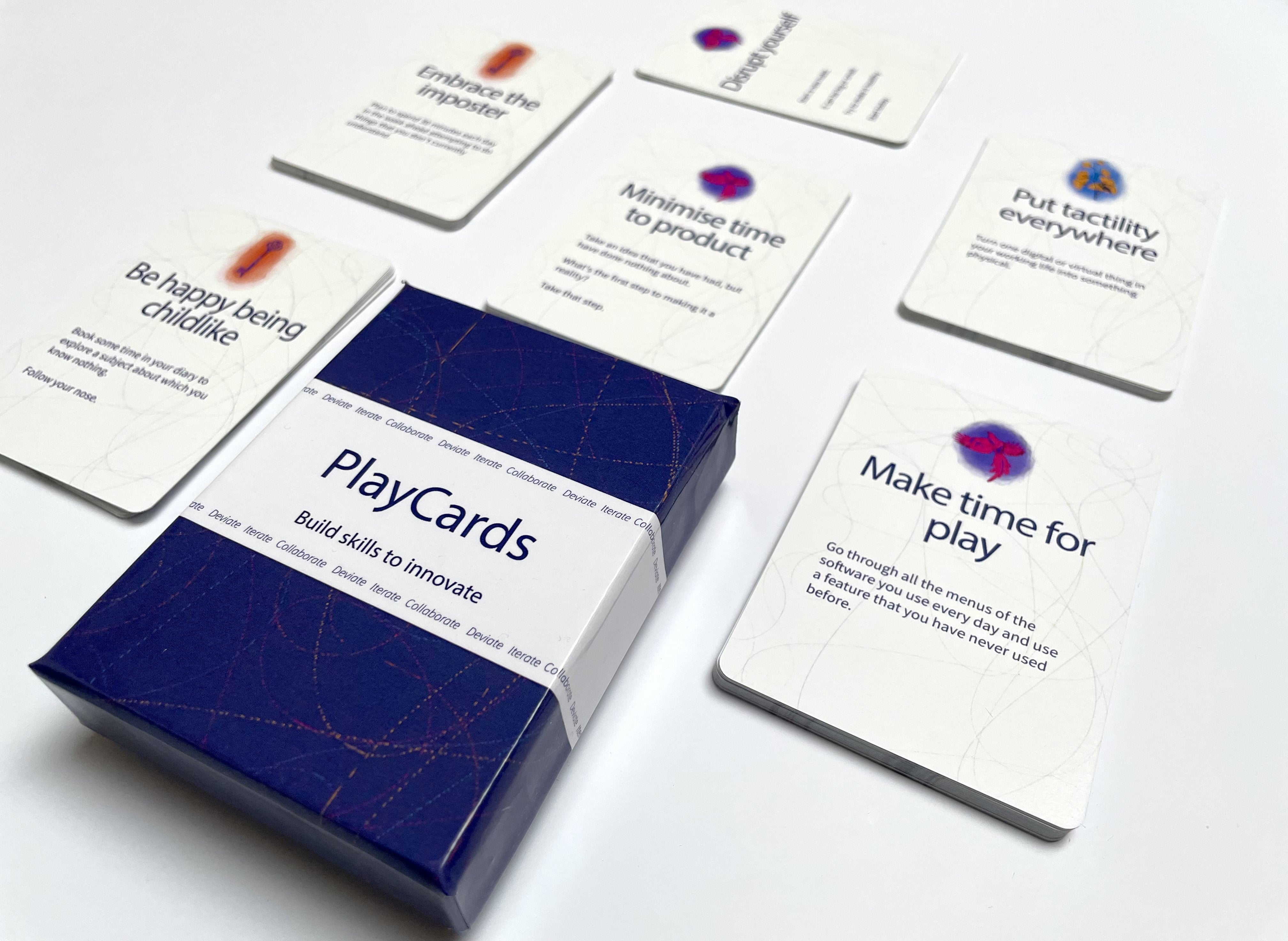
A 52-card deck built around thirteen “play skills” that organisations need for innovation and change, with a targeted activity on every card. It distils six years of research and works for individuals, coaches and facilitated teams.
Creative Content Kit

By Ana Bender · BIS Publishers
A 65-card kit for building a content strategy in four stages: define the audience and why you’re creating content, choose content types, pick platforms and formats, and plan how to reach people. You choose the activities that fit your budget, resources and timeline. It works solo, in team workshops or with clients.
Personal and Team Development
Decks for understanding yourself, your values and the people you work with.
StrongSuits

By Dave Corbyn · strongsuits.com
A strengths-based deck and set of short games for teams and coaches. Every card is a strength, and its opposite is another strength rather than a weakness, which changes the tone of the conversation completely. In the flagship game, Your Winning Hand, players swap cards until each holds the five strengths that best describe them, and teammates give feedback on the choices. Great for building trust in a new team.
Core Values Cards
By Geoff Watts · Agile Stationery
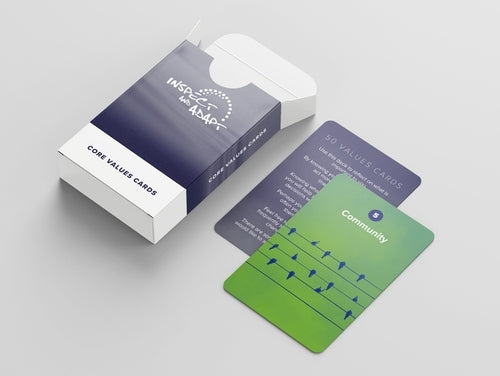
A deck for working out which values matter most to you or your team. You go through the deck putting the cards that mean the most to you in one pile and the rest in another, then keep going back through the keep pile until you’re down to four or five. Those are your values, and they make a surprisingly good foundation for defining your why.
Persuasion Pack
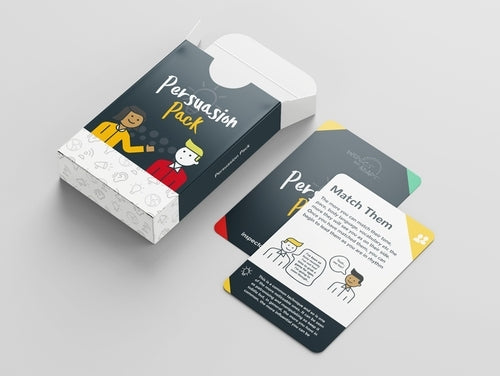
By Geoff Watts · Agile Stationery
If, like me, you’ve ever struggled to convince people of an idea, not because it was a bad idea but because they couldn’t see the value in it, this pack is for you. Each card explains one persuasion technique (social proof, identity alignment, borrowed authority and so on), and a coloured corner rates how risky or manipulative it could be if overused. That rating is the clever part: it keeps you ethical and helps you spot when someone is using these tactics on you. Sometimes being good at what we do, being nice and being honest just isn’t enough.
The 7 Habits of Highly Effective People Card Deck

Based on Stephen R. Covey’s book · FranklinCovey
Fifty-two cards, one for each week of the year, turning Covey’s seven habits into a weekly challenge with reflective questions. The box doubles as a desk stand, so the current week’s card stays in view. Work through it one card at a time and the habits gradually stop being something you have to think about.
Career Therapy Cards

By The School of Life
Twenty cards of prompts, questions, short essays and exercises to help you get clarity on your working identity: whether you should change, what you’re looking for and how to approach it. Some of the points will be familiar to people with more experience, but it’s a good structured way to think through a career move. It appears to have been discontinued, so you may need to hunt for a copy.
Final Thoughts
Four years ago this list had eight security games on it and I hadn’t played half of them. Today there’s a game for threat modeling almost any kind of system, from a web app to a fleet of AI agents, and a good number of them are free to print. The excuse that “we don’t know how to start” doesn’t really hold any more.
That said, a game is a starting point, not a process. The value comes from what you do with the threats, ideas or actions the game surfaces, so make sure every session ends with something written down and someone owning it.
Note to engineering managers: Pick one game from the threat modeling section, book an hour with a team that has never threat modeled before, and play it against something they’re building right now. You’ll learn more about your team’s security instincts in that hour than from any training completion dashboard.
If you know a game that should be on this list, let me know and I’ll add it to the next update. And keep an eye out for Elevation of Email Flow, Dependency Hell and The Build Brief.
Stay tuned!
Tags: Games, Threat Modeling, Security Culture, Privacy, Elevation of Privilege
You may also like:

Threat Modeling Remotely with Miro and EoP
Threat modeling with teams is a process that requires visuals, interaction between team members and discussion and so lends itself to everyone being in a room together. This has been quite hard the last two years. It also doesn’t look to be getting any easier, so we should probably get used to it. Here’s how I’ve been doing it with several teams.

SAML Single Sign-On with Tomcat and PicketLink
In this article I’ll give you an introduction to SAML Web Browser Single Sign On Profile using POST and how to configure it in Tomcat.

SAML Single Sign on With JBoss Wildfly and Picketlink
Following on from my previous article about configuring SAML SSO with Tomcat and Picketlink this time I will show you how to do the same thing with JBoss Wildfly.

Kerberos User Impersonation on Tomcat with Apache
If you are using Kerberos for single sign-on SSO and want to be able to make http requests impersonating the end user to third party systems you can do this using the HttpClient that is part of the Apache HttpComponents project.